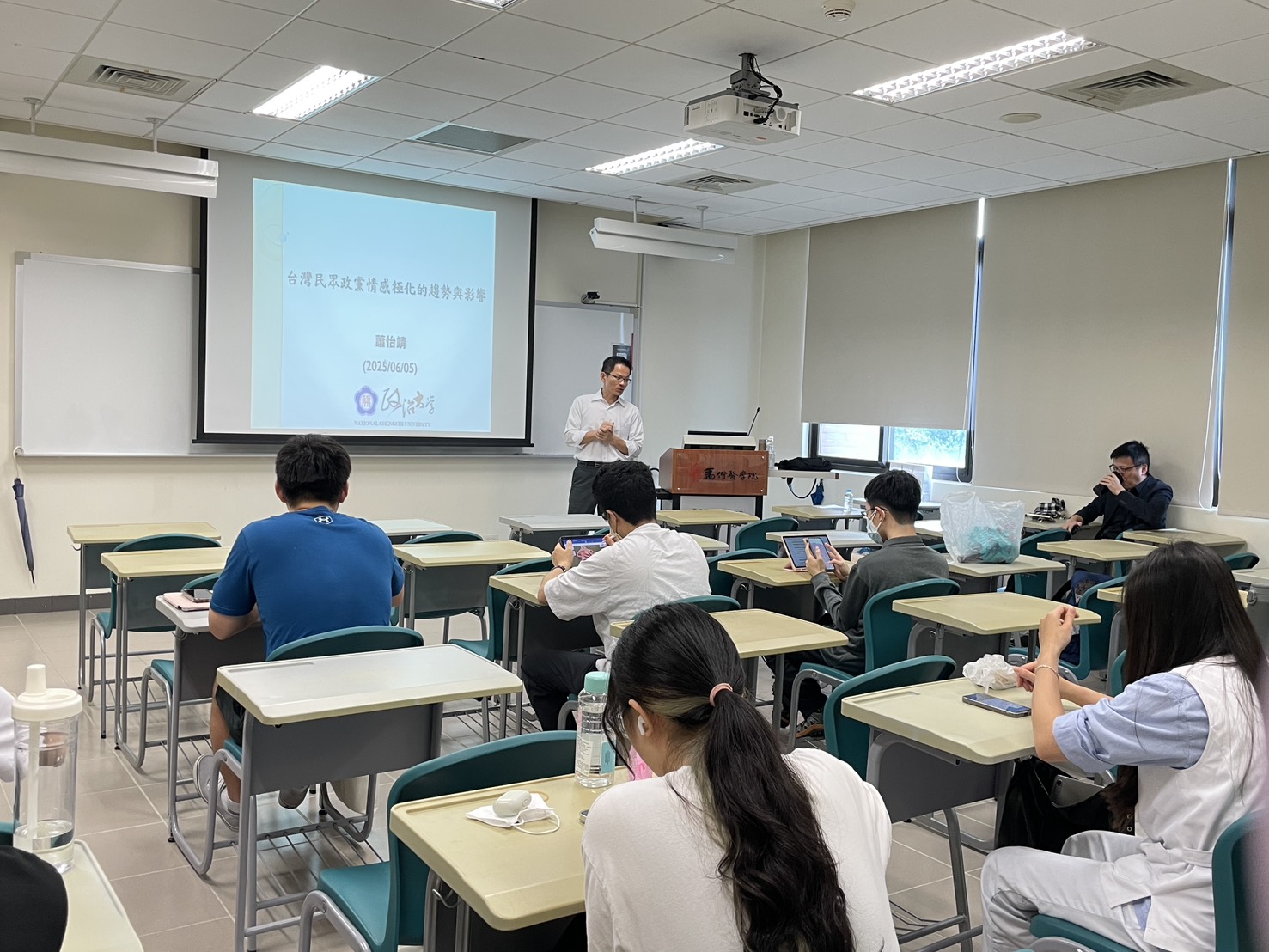
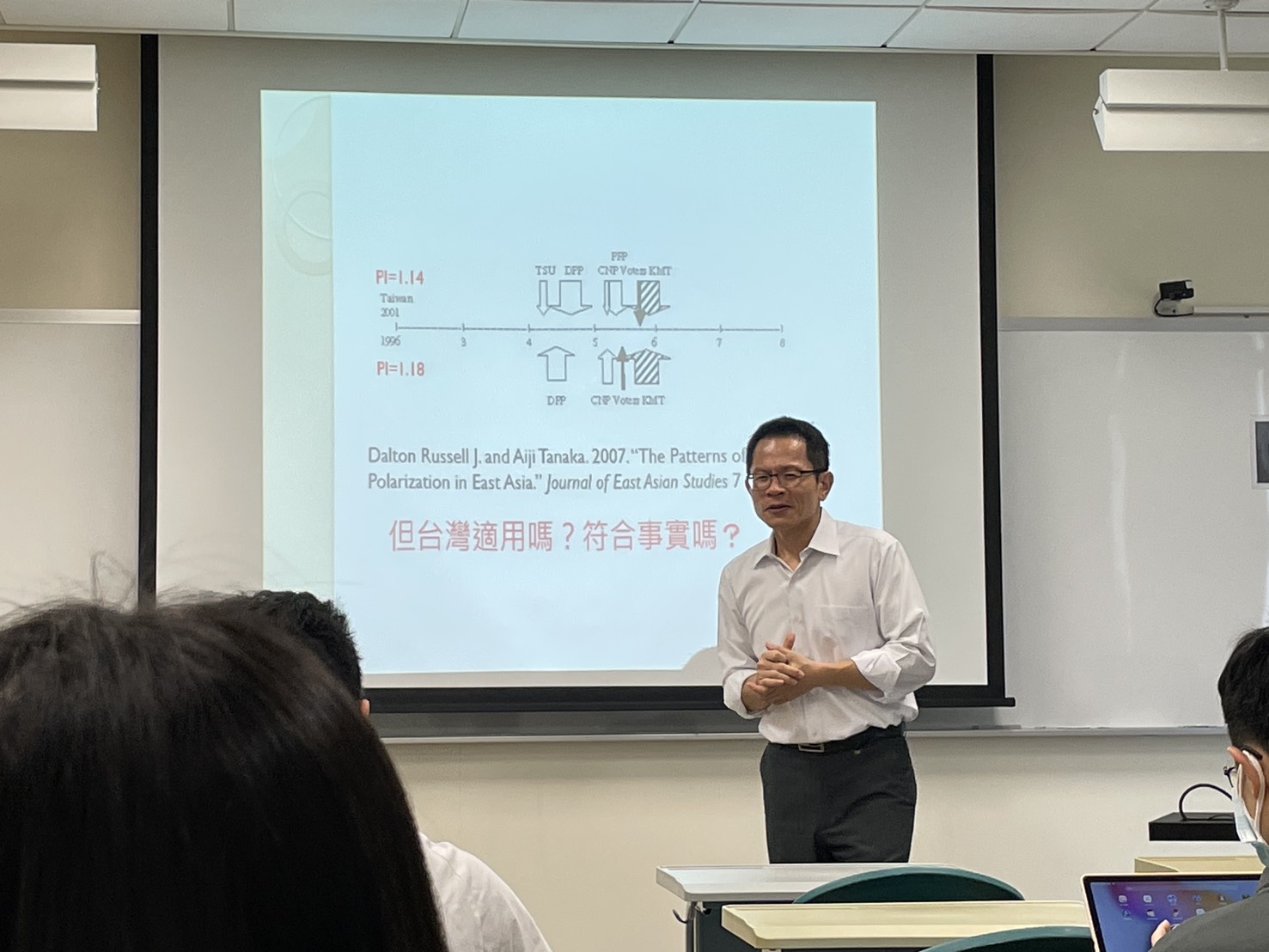
本校6月5日舉辦一場以「台灣民眾政黨情感極化的趨勢與影響:大數據分析的觀點」為題的專題講座,非常榮幸邀請到國立政治大學選舉研究中心研究員暨政治學系的蕭怡靖教授蒞校演講。
講座由本校張順全老師協助規劃與主持,並獲得高教深耕計畫支持,吸引了對政治現象、大數據分析與社會議題有興趣的學生熱烈參與。
蕭教授以情感極化(affective polarization)為主軸,探討台灣民眾在政黨認同上產生強烈感情傾向的現象,結合自然語言處理與機器學習方法,分析社群媒體、新聞與網路論壇中的言論,
提供一套量化政治情感變化的研究途徑。
在講座中,蕭教授不僅解釋了情感極化的理論脈絡,也分享其在美國等民主國家的發展經驗,並進一步指出台灣在近年選舉與社會動員中呈現出類似趨勢,
尤其在年齡、地區與媒體使用習慣上出現顯著差異。透過大量的輿情資料與數據模型建構,蕭教授讓與會者理解如何運用科學化方法掌握社會脈動,
也引發了學生對跨領域研究的高度興趣。講座最後開放Q&A時間,現場提問踴躍,交流氣氛熱烈,話題涵蓋資料可信度、媒體責任與如何促進理性公共對話等議題。
本次活動讓參與者不僅認識了政黨情感極化這一全球重要議題在台灣的具體表現,也看見社會科學如何結合科技工具進行分析與預測,
對學生的學術視野與社會關懷均有所啟發。未來,本校也將持續透過高教深耕計畫舉辦具前瞻性與實務性的學術交流活動,為學生搭建跨領域對話的平台,深化其批判思考與國際視野。
On June 5, our university hosted a special lecture titled “Affective Polarization in Taiwan: A Big Data Perspective.” We were honored to invite Professor Hsiao Yi-Ching, researcher at the Election Study Center and faculty member of the Department of Political Science at National Chengchi University, to share her insights. The event was organized and moderated by Professor Chang Shun-Chuan of our university, and was made possible with the support of the Higher Education Sprout Project. The lecture attracted enthusiastic participation from students interested in political phenomena, big data analysis, and social issues. Centering on the concept of affective polarization, Professor Hsiao explored the growing emotional attachment and aversion among Taiwanese citizens toward different political parties. By combining natural language processing (NLP) and machine learning techniques, she analyzed discourse from social media, news platforms, and online forums to present a methodology for quantifying political sentiment shifts.
During the lecture, Professor Hsiao not only explained the theoretical foundations of affective polarization but also shared its development in democratic countries such as the United States. She highlighted how similar patterns have recently emerged in Taiwan’s elections and civic mobilizations, particularly evident in differences across age groups, regions, and media consumption habits. By leveraging vast datasets and building analytical models, Professor Hsiao demonstrated how scientific methods can be used to grasp social dynamics, sparking strong interest among students in interdisciplinary research. The session concluded with a lively Q&A, where discussions ranged from data reliability and media responsibility to strategies for fostering rational public discourse.
This event helped participants gain a deeper understanding of how the global issue of affective polarization manifests in the Taiwanese context, while also showcasing how social sciences can be enhanced through technological tools for analysis and forecasting. It broadened students' academic perspectives and strengthened their sense of social responsibility. In the future, our university will continue to host forward-thinking and practice-oriented academic exchanges under the Higher Education Sprout Project, fostering interdisciplinary dialogue and cultivating students' critical thinking and global outlook.